
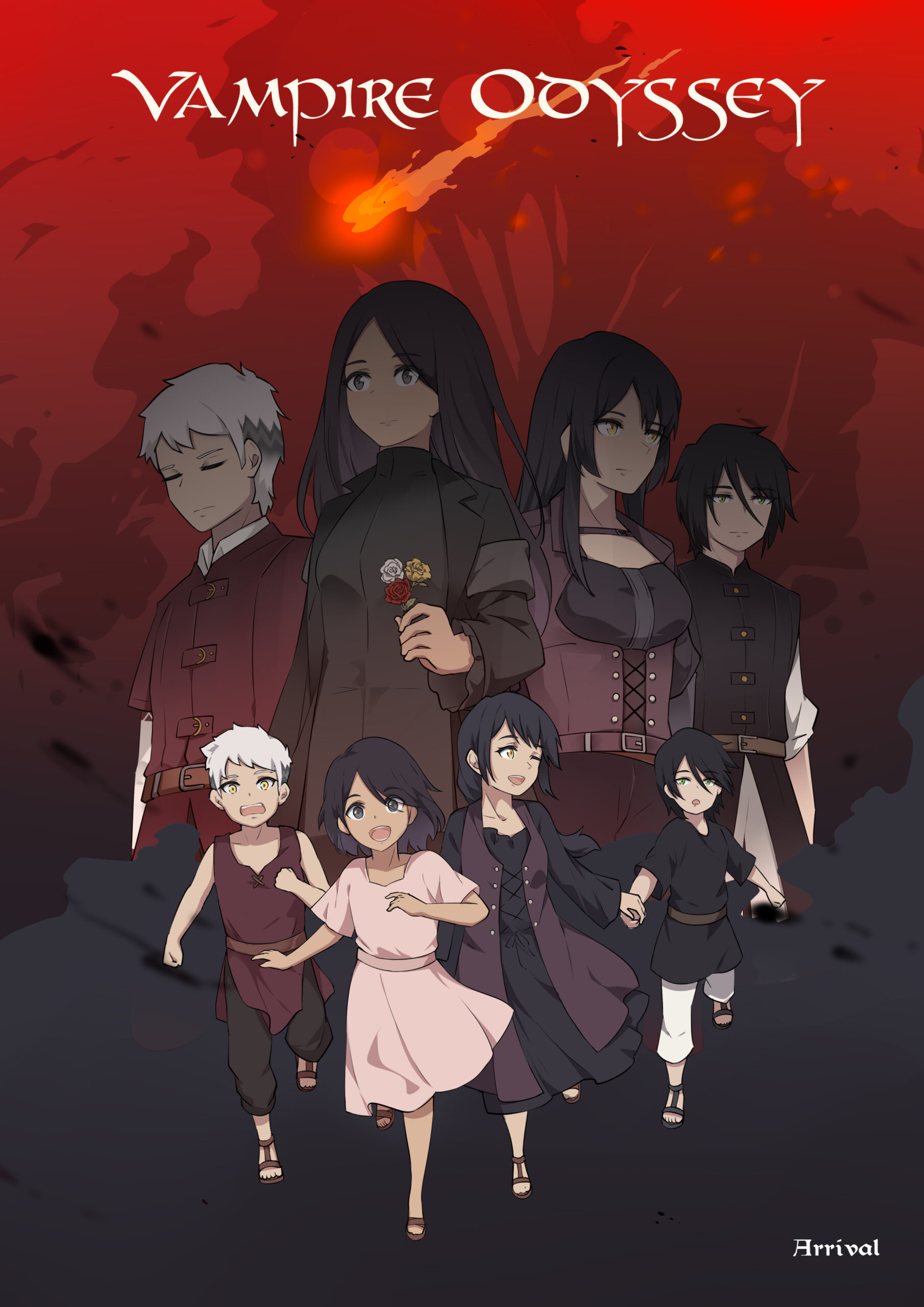
In the modern creative industry, graphic design has become an essential communication tool for businesses, brands, and individuals. From advertising campaigns to social media content, graphic design helps deliver messages visually and effectively. However, as competition grows and audiences become more selective, designers must find ways to create more engaging and memorable visuals.
One of the most powerful elements that can elevate graphic design projects is illustration. Illustration adds originality, personality, and emotional depth to visual communication. Unlike stock photos or generic graphics, illustrations can be customized to fit a specific message, audience, or brand identity.
Whether used in branding, website design, packaging, or marketing materials, illustration helps designers create unique visual experiences that capture attention and strengthen communication. This article explores the role of illustration in enhancing graphic design projects and explains why it remains an important component in modern visual design.
Understanding Illustration in Graphic Design

Illustration in graphic design refers to custom-made visual artwork created to support a message, concept, or idea. Illustrations can be hand-drawn, digitally created, minimalist, realistic, or abstract depending on the design goals. Illustrations are used in conjunction with typography, color, and layout to create visual compositions. Unlike photography, illustrations offer unlimited creative flexibility.
Designers can create fictional characters, imaginative environments, symbolic visuals, or simplified concepts that may not exist in real life. This freedom allows brands and designers to communicate ideas in a more creative and expressive way. Today, illustrations are widely used across digital and print media. Websites, mobile applications, magazines, posters, and social media campaigns often rely on illustration to create a distinctive visual identity.
Creating a Unique Brand Identity
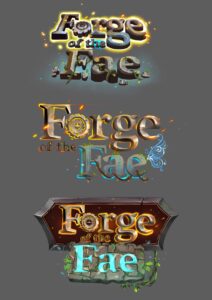
One of the biggest advantages of using illustration in graphic design projects is the ability to create a unique brand identity. In a crowded market, businesses need visuals that differentiate them from competitors. Custom illustrations provide originality that cannot easily be replicated. For example, many companies use illustrated mascots, icons, or storytelling visuals to strengthen brand recognition.
These illustrations become part of the company’s personality and help audiences remember the brand more easily. A unique illustration style can also communicate a company’s values, tone, and target audience. Brands that use personalized illustrations often appear more authentic and creative. This helps build stronger emotional connections with customers and improves brand loyalty over time.
Improving Visual Communication
Illustrations are highly effective in simplifying complex information. In graphic design projects, some ideas may be difficult to explain using text alone. Illustration helps transform complicated concepts into visuals that are easier to understand. For instance, infographics often use illustrations to explain data, processes, or statistics in a visually engaging way.
Educational materials also rely on illustrations to make learning more interactive and accessible. By combining visuals with information, designers can improve audience comprehension and retention. Additionally, illustrations can guide viewers through a design layout. Icons, diagrams, and visual storytelling elements help organize content and direct attention toward important information.
Increasing Audience Engagement
In digital media, audience attention spans are becoming shorter. People scroll through content quickly, especially on social media platforms. Illustration plays an important role in capturing attention and increasing engagement. Bright colors, creative characters, and imaginative visuals naturally attract viewers. Compared to plain text or generic images, illustrations often feel more dynamic and entertaining. This encourages audiences to spend more time interacting with the content.
Illustrated designs are also highly shareable on social media because they appear visually distinctive. Businesses that use custom illustrations in their marketing campaigns can improve audience interaction, increase brand visibility, and create memorable experiences. Moreover, illustrations can evoke emotions more effectively than standard visuals. Designers can use specific styles, colors, and characters to create feelings of happiness, excitement, nostalgia, or trust.
Supporting Storytelling and Creativity
Storytelling is a key aspect of successful graphic design, and illustration is one of the best tools for visual storytelling. Through illustrations, designers can create narratives that connect with audiences emotionally and visually. For example, illustrated sequences can show customer journeys, product benefits, or fictional scenarios that communicate a message more creatively. Story-driven visuals make content more relatable and easier to remember.
Illustration also encourages experimentation and innovation in design projects. Designers are not limited by reality and can explore imaginative concepts that photography cannot always achieve. This creative freedom allows for more artistic expression and unique campaign ideas. As a result, illustration helps brands appear more innovative and visually appealing in competitive industries.
Enhancing User Experience in Digital Design
Illustration has become increasingly important in user interface (UI) and user experience (UX) design. Websites and mobile applications often use illustrations to create friendly and welcoming digital experiences. Custom illustrations can make interfaces feel less technical and more human-centered. They are frequently used in onboarding screens, error messages, tutorials, and interactive animations. These visuals help users navigate digital platforms more comfortably while reducing confusion.
Furthermore, illustrations contribute to visual consistency. A cohesive illustration style strengthens the overall aesthetic of a website or app and increases user satisfaction. Modern tech companies and startups often use minimalist illustrations to create an approachable and modern brand identity. This trend demonstrates how illustration continues to shape contemporary digital design.
Flexibility Across Different Design Projects
Another reason illustration is valuable in graphic design is its flexibility. Illustrations can adapt to many different styles, industries, and project types. For example:
- Minimalist illustrations work well for modern websites and mobile apps.
- Hand-drawn illustrations create a personal and artistic feeling.
- Cartoon-style illustrations appeal to younger audiences.
- Realistic illustrations are effective for editorial and advertising projects.
Because illustrations are highly customizable, designers can tailor them to match specific goals and audiences. This versatility makes illustration suitable for branding, advertising, publishing, packaging, animation, and many other creative fields.
Challenges of Using Illustration in Design
Although illustration offers many benefits, it also presents certain challenges. Creating high-quality custom illustrations requires time, creativity, and technical skill. Some projects may require collaboration between graphic designers and professional illustrators.
In addition, overusing illustrations or choosing styles that do not match the brand identity can reduce design effectiveness. Designers must ensure that illustrations support the message rather than distract from it. Balancing illustration with typography, layout, and other visual elements is also important for maintaining clarity and professionalism.