
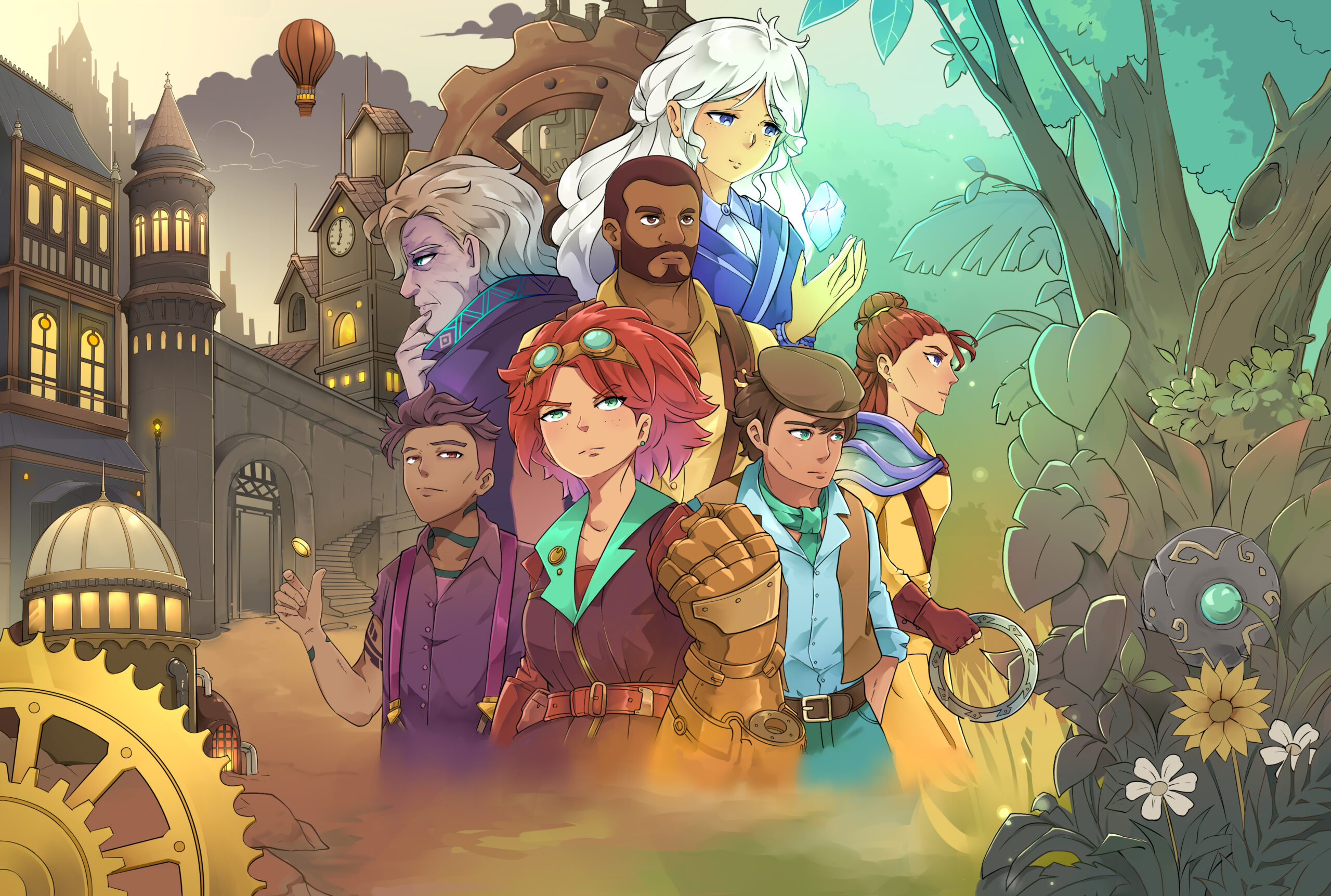
In the modern digital era, visual communication has become one of the most powerful ways to capture attention and deliver messages effectively. Illustration plays a major role in visual design because it combines creativity, storytelling, and emotion into a single visual experience. Whether used in branding, advertising, web design, publishing, or social media, creative illustrations can transform ordinary visuals into memorable works of art.

Designers who master illustration techniques are able to create unique identities, communicate complex ideas, and engage audiences more deeply. Creative illustration is not simply about drawing attractive images. It involves combining artistic skills with design principles, color psychology, composition, and digital tools to produce visuals that stand out.
By exploring different illustration techniques, designers can develop a distinctive style while continuously adapting to modern trends. This article discusses several creative illustration techniques that can help designers create stunning visual designs.
Understanding the Importance of Illustration in Design
Illustration adds personality and originality to visual content. Unlike stock photos or generic graphics, custom illustrations provide flexibility and uniqueness that align perfectly with a brand or project identity. They can simplify complicated information, evoke emotions, and create stronger connections with audiences. In branding, illustrations help companies establish a recognizable visual language. In editorial design, illustrations can make articles more engaging and easier to understand.
Meanwhile, in digital platforms, illustrated content often performs better because it attracts more attention and encourages interaction. The growing popularity of digital media has also increased the demand for innovative illustration styles. Designers are now expected to combine artistic creativity with technical expertise to create visually impressive content.
Hand-Drawn Illustration Techniques
One of the most timeless illustration methods is hand-drawn art. Traditional drawing techniques using pencils, ink, watercolor, or markers provide authenticity and human touch that digital graphics sometimes lack. Hand-drawn illustrations often feel more personal and emotionally expressive. Sketching is usually the first stage of this process. Designers create rough concepts to explore ideas and compositions before refining details.
Ink illustrations can add bold contrast and strong outlines, while watercolor techniques create soft textures and natural gradients. Many modern designers combine traditional drawing with digital editing tools. After scanning handmade artwork, they enhance colors, adjust composition, and refine details using design software. This hybrid approach allows artists to maintain the organic feel of traditional art while benefiting from digital flexibility.
Digital Illustration for Modern Visuals
Digital illustration has revolutionized the creative industry. With advanced software and drawing tablets, artists can produce high-quality visuals faster and more efficiently. Programs such as Adobe Illustrator, Procreate, and Photoshop provide endless possibilities for experimentation. Vector illustration is one of the most popular digital techniques. Unlike raster graphics, vector illustrations maintain sharp quality at any size. This makes them ideal for logos, branding materials, posters, and user interface design.
Flat illustration styles using clean shapes and minimal details are widely used in modern branding because they appear simple, professional, and versatile. Another powerful method is digital painting. This technique imitates traditional painting styles while offering advanced digital controls.
Designers can create realistic textures, dramatic lighting, and detailed environments using customizable brushes and layers. Layer-based editing also allows artists to work non-destructively. They can modify colors, shadows, and effects without damaging the original artwork. This flexibility encourages experimentation and innovation in visual design.
Using Color Psychology Effectively
Color is one of the most influential elements in illustration. Different colors evoke different emotions and psychological responses. Understanding color psychology helps designers create visuals that communicate messages more effectively. Warm colors such as red, orange, and yellow often represent energy, passion, and excitement. Cool colors like blue and green are associated with calmness, trust, and professionalism. Neutral tones can create balance and sophistication.
Creative illustrators carefully select color palettes based on the purpose of the design. For example, vibrant colors may be suitable for children’s illustrations or entertainment brands, while muted tones work better for luxury or minimalist designs. Gradient techniques have also become increasingly popular in modern illustration. Smooth color transitions add depth and visual interest, making illustrations appear more dynamic and contemporary.
Experimenting with Typography and Illustration
Combining typography with illustration can create visually striking compositions. Instead of treating text and images separately, designers can integrate them into a unified artwork. Custom lettering is one effective technique. Hand-drawn typography can enhance brand personality and make visual content more memorable. Designers may also use illustrated elements around text to emphasize key messages or create storytelling effects.
Creative layouts play a major role in this approach. Overlapping text with illustrations, using unusual alignments, or incorporating animated typography in digital platforms can increase visual engagement significantly. When combining typography and illustration, balance is essential. The text should remain readable while supporting the overall artistic composition.
Creating Depth and Dimension
Flat illustrations are visually appealing, but adding depth can make designs more immersive and realistic. Designers use various techniques to create dimension, including shading, lighting, perspective, and texture. Shadow effects help objects appear more grounded and natural. Highlights can direct viewer attention and add realism. Perspective techniques create the illusion of space and movement, making illustrations feel more dynamic.
Texture is another important element. Grainy textures, brush strokes, and layered effects can add richness and character to digital artwork. Even subtle texture details can make a design feel more sophisticated and engaging. Three-dimensional illustration styles are also becoming increasingly popular, especially in advertising and product visualization. 3D elements create highly immersive visuals that capture attention instantly.
Storytelling Through Illustration

Great illustrations do more than look beautiful, they tell stories. Storytelling is one of the strongest aspects of illustration because visuals can communicate emotions and narratives instantly. Designers often use characters, environments, and symbolic elements to build visual stories. Expressions, gestures, and composition all contribute to emotional impact. A successful illustration guides the viewer’s attention and encourages interpretation.
Narrative illustrations are especially effective in marketing campaigns, editorial content, and social media storytelling. Audiences tend to remember visuals that spark an emotional connection or curiosity. To create powerful storytelling illustrations, designers must focus on developing the concept before executing. A clear message or emotional purpose helps maintain consistency.