
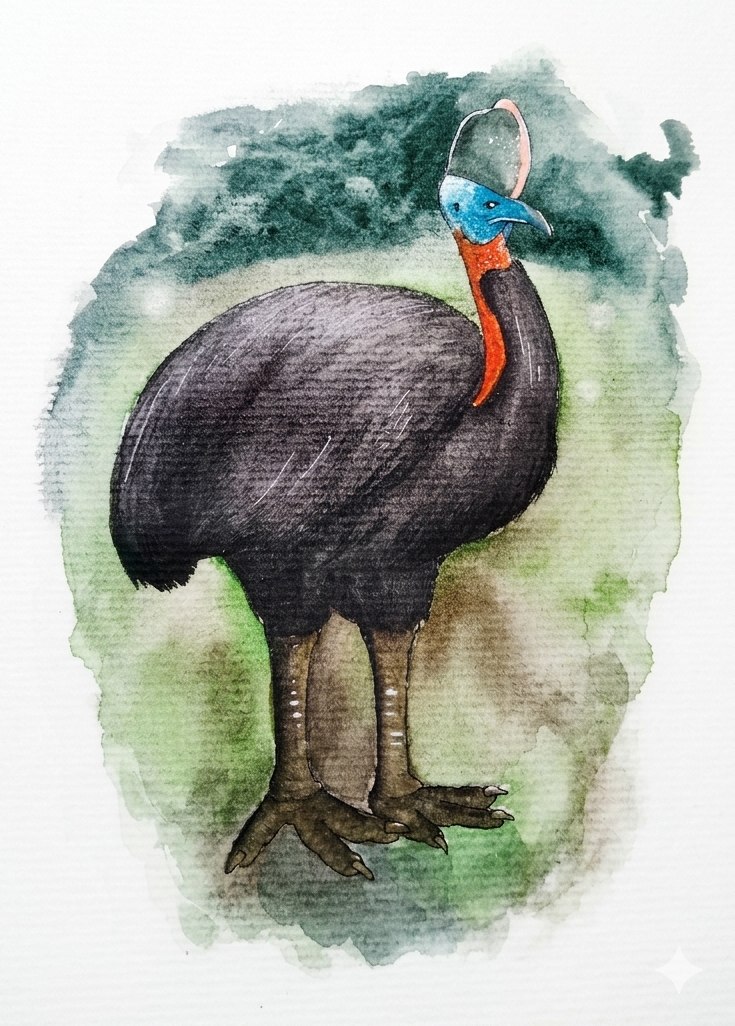
Illustration has always been an essential part of human communication. From ancient cave drawings to printed posters, visual storytelling has shaped how people share ideas, emotions, and culture. In the modern era, digital technology has transformed illustration into a dynamic and highly versatile medium. Today, illustrations are no longer limited to paper and ink.
In addition, they have also been present on various platforms such as websites, mobile applications, advertisements, games, animations, and social media platforms. The journey from traditional sketching to digital screens reflects the rapid evolution of technology and creativity.
Digital design has changed not only the tools artists use but also the way audiences interact with visual content. Modern illustrators can create detailed artwork faster, collaborate globally, and distribute their work instantly to millions of viewers. This transformation has redefined the creative industry and opened endless opportunities for artists worldwide.
The Origins of Traditional Illustration
Before digital tools became available, illustration relied entirely on manual techniques. Artists used pencils, charcoal, ink, watercolor, and oil paints to create visuals by hand. These traditional methods required patience, technical skill, and years of practice. Every line, texture, and shade had to be carefully crafted without the assistance of software or editing tools. Traditional illustration played a major role in publishing, advertising, and entertainment.
Books, newspapers, magazines, and posters depended heavily on hand-drawn artwork to capture attention and communicate messages. Illustrators were valued for their unique styles and craftsmanship. However, making revisions was often difficult and time-consuming. A single mistake could require the artist to start over completely.
Despite these challenges, traditional illustration established the artistic foundations that continue to influence modern digital design. Principles such as composition, color harmony, perspective, and storytelling remain essential skills for contemporary illustrators.
The Rise of Digital Tools
The introduction of computers in the late twentieth century marked the beginning of a new era for illustration. Graphic design software allowed artists to experiment with colors, shapes, and effects more efficiently than ever before. Programs such as Adobe Photoshop and Adobe Illustrator revolutionized the creative process by providing tools for editing, layering, and transforming artwork digitally.
Digital tablets further accelerated this shift. Artists could now draw directly onto screens using stylus pens that simulated the experience of traditional sketching. This combination of technology and creativity enabled illustrators to maintain the organic feel of hand-drawn art while benefiting from the speed and flexibility of digital workflows.
One of the greatest advantages of digital illustration is the ability to make unlimited revisions. Artists can undo mistakes instantly, duplicate elements, and experiment with multiple concepts without wasting physical materials. This efficiency is of course very valuable in industries with tight deadlines, such as marketing, entertainment, and web design.
The Impact of Illustration in Modern Digital Design
Today, illustration is deeply integrated into digital design. Companies have certainly used custom illustrations to strengthen brand identity, enhance user experience, and communicate complex ideas in a much more visually engaging way. Websites and apps feature colorful illustrations to create an emotional connection with users and make the interface more engaging. In user interface and user experience design, illustrations help simplify navigation and guide users as they browse the internet.
Very friendly characters, icons, and animations can certainly make technology feel more human. Many startups and technology companies rely on minimalist illustration styles to create modern and memorable branding. Social media has also contributed to the growing importance of digital illustration. Platforms such as Instagram, Pinterest, and Behance allow artists to showcase their portfolios globally.
As a result, illustration has become more accessible and influential than ever before. Independent creators can now build audiences, collaborate with brands, and monetize their work without relying on traditional publishing companies.
The Role of Technology in Creative Innovation
Advancements in technology continue to push the boundaries of illustration. Artificial intelligence, augmented reality, and virtual reality are introducing entirely new possibilities for digital artists. Illustrators can now create immersive experiences that combine motion, sound, and interactivity. Animation has become another significant extension of digital illustration. Static artwork can be transformed into moving visuals for advertisements, educational content, and entertainment media.
Motion graphics are widely used in digital marketing because they capture attention quickly and communicate information effectively. Cloud-based collaboration tools have also changed the way creative teams work together. Designers from different countries can contribute to the same project in real time, sharing feedback and revisions instantly. This global connectivity has encouraged cultural exchange and expanded creative diversity within the design industry.
Additionally, the rise of mobile devices has influenced illustration trends. Designers must now create artwork that functions effectively across multiple screen sizes and platforms. Responsive illustration design has become an important skill, ensuring visuals remain attractive and functional on smartphones, tablets, and desktop computers alike.
Challenges in the Digital Illustration Industry
Although digital illustration offers many advantages, it also presents several challenges. The accessibility of design software has increased competition significantly. Thousands of artists upload content online every day, making it harder for individuals to stand out in a crowded market.
Copyright and originality have also become major concerns. Digital artwork can be copied and distributed easily without permission. As artificial intelligence tools generate images automatically, discussions about authorship and creative ownership continue to grow within the art community.
Furthermore, some artists worry that excessive reliance on technology may reduce the authenticity of traditional artistic skills. While digital tools provide convenience, mastering the fundamentals of drawing and composition remains essential for producing high-quality work.
The Future of Illustration in Digital Design
The future of illustration will likely involve even deeper integration between art and technology. Interactive experiences, 3D visuals, and AI-assisted design tools are expected to become increasingly common. However, human creativity will continue to play a central role in visual storytelling.
Audiences still value originality, emotion, and artistic perspective, qualities that technology alone cannot fully replicate. Successful illustrators will be those who combine technical knowledge with strong creative vision. As digital platforms continue to evolve, illustration will remain one of the most powerful tools for communication in the modern world.